


Talking with Roger Lewis on the upcoming Friends book season

BY FRIENDS OF BOCA GRANDE
Roger, it’s that time of year again! We’re here to talk about the speakers for the third annual “Roger’s Picks” series at the Friends of Boca Grande Community Center. Let’s get right into who you’ve lined up for this year.
Q: Does this year’s series have a common theme, or are the topics more varied?
RL: This year, there isn’t a single theme connecting the lectures. These are all stand-alone topics chosen for their broad appeal.
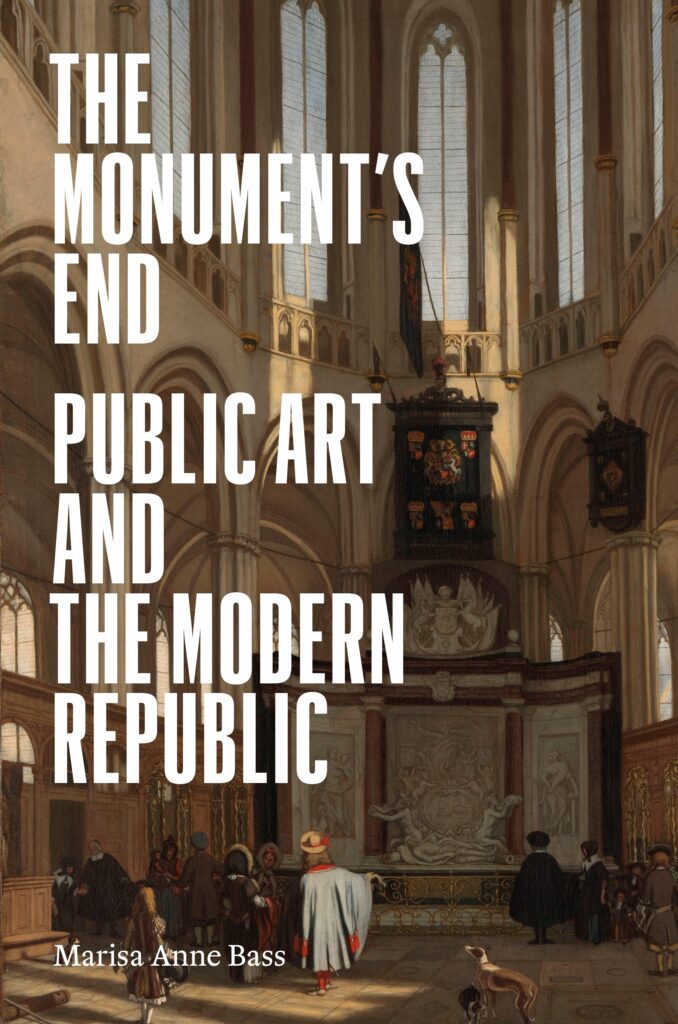
Q: Let’s begin with your first speaker on January 21, Marissa Bass, and her book “The Monuments End, Public Art and the Modern Republic.” What led you to choose this particular book?
RL: I had several reasons for thinking this was a timely and appropriate book. For one, our country has been in the process of removing statues from public spaces, and from my perspective, the process has seemed random. It made me wonder why a statue of Christopher Columbus would be targeted, but one of Henry Wirz, the commander of the infamous Andersonville prison, would be left in place.
Q: And the other reason?
RL: The book draws on 17th-century Dutch history to examine how artists, architects, poets, and scholars of that time grappled with the disconnect between public monuments and the ideals of a republican government. It raises important questions that are still relevant today, such as: who decides if there should be a monument in the first place, who decides if it should be taken down, and whether a monument is a form of media storytelling.
Q: That sounds fascinating. Who is next on the schedule?
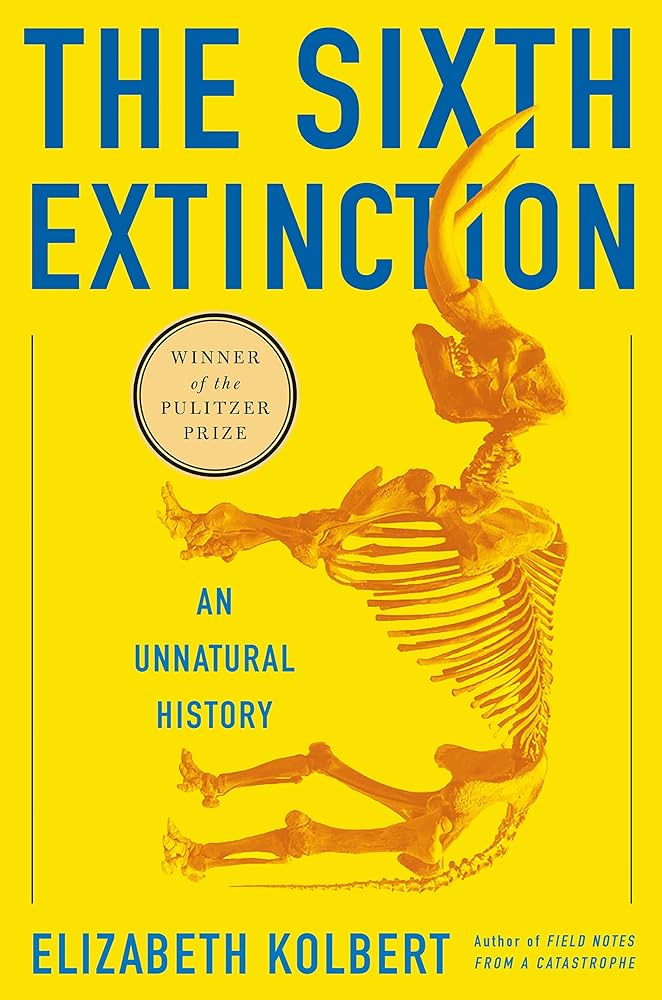
RL: On February 26, we are delighted to welcome back Elizabeth Kolbert to Boca Grande. She will be discussing her book “The Sixth Extinction, An Unnatural History,” which was originally published in 2014 and updated in 2024 to include new evidence.
Q: This will be her second time speaking here. What is the book’s main theme?
RL: The central argument is the “Anthropocene” concept: that humans have entered a new geological epoch where our activities are fundamentally changing the planet’s ecosystems, from the atmosphere to ocean chemistry. Kolbert argues that our current path is unsustainable and warns that human society could risk its own future if we don’t change our relationship with the natural world.
Q: Do you believe she makes a convincing case?
RL: The book will certainly make you think. For example, a bird migrating somewhere must find a new path if a tall building is constructed in its normal flight path. Its survival will depend on whether it can adapt. We’ve also seen the decline of the monarch butterfly because people are no longer planting the milkweed that is their only food source.
Q: It sounds like a very interesting session. Who follows?
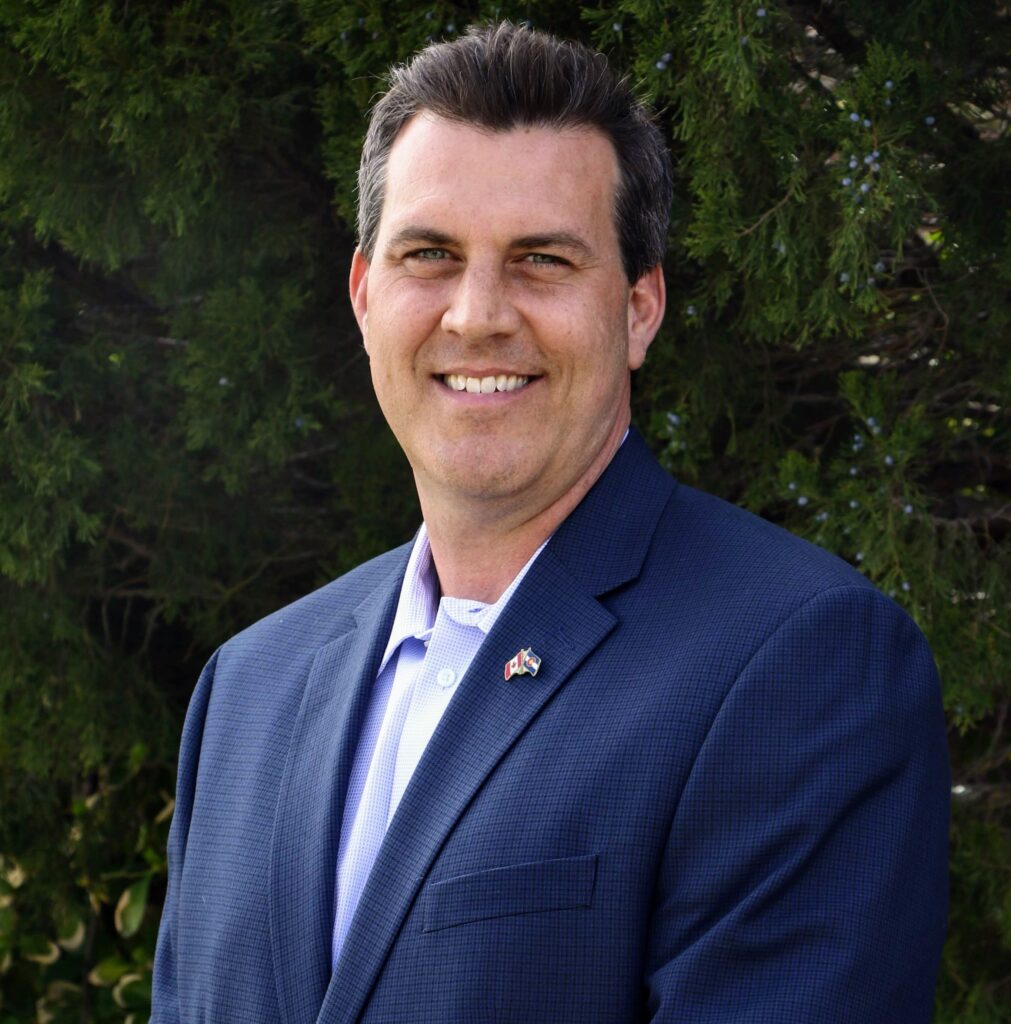
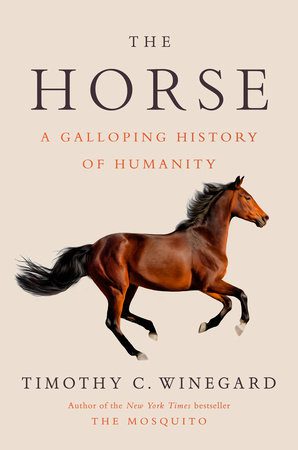
RL: On March 18, we have Timothy Winegard discussing his book “The Horse,” though the date will change if his hockey team makes the regional finals.
Q: Tell us more about the book.
RL: “The Horse” was one of my favorite recent reads. I even gave copies as birthday presents. The book traces the relationship between humans and horses back 5,500 years, to when a person first trained a wild horse. From that point on, it covers the horse’s historical influence across millennia – as transportation, a tool for farming and trade, a formidable weapon of war, and a loyal companion. You’ll even learn about the Great Manure Crisis in New York City.
Q: The Great Manure Crisis?
RL: Yes. In 1894, there were over 100,000 horses in New York City, each producing between 15 to 35 pounds of manure a day. It was impossible for the city to keep up with its removal.
Q: Anything else?
RL: There’s so much more in the book. For example, the world’s oldest plants were created for horsemen in China about 3,300 years ago, and stirrups were invented to give archers a more stable platform. The first “moving picture” was of a galloping horse.
Q: An interesting book and lecture indeed. And who is the final speaker?
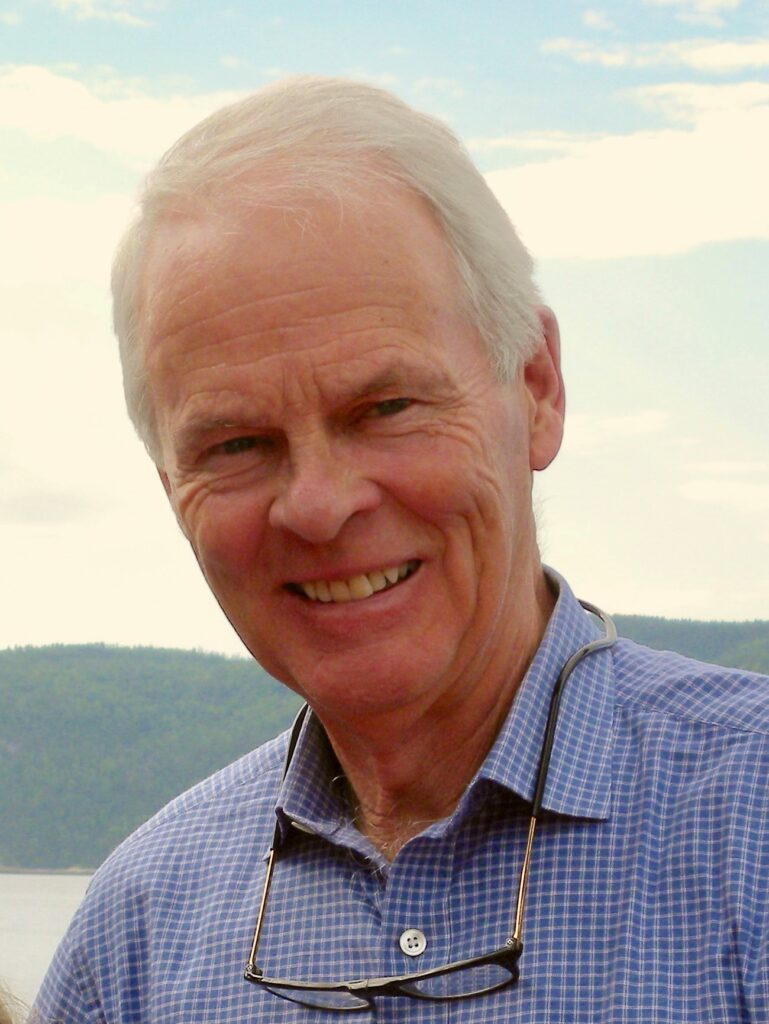
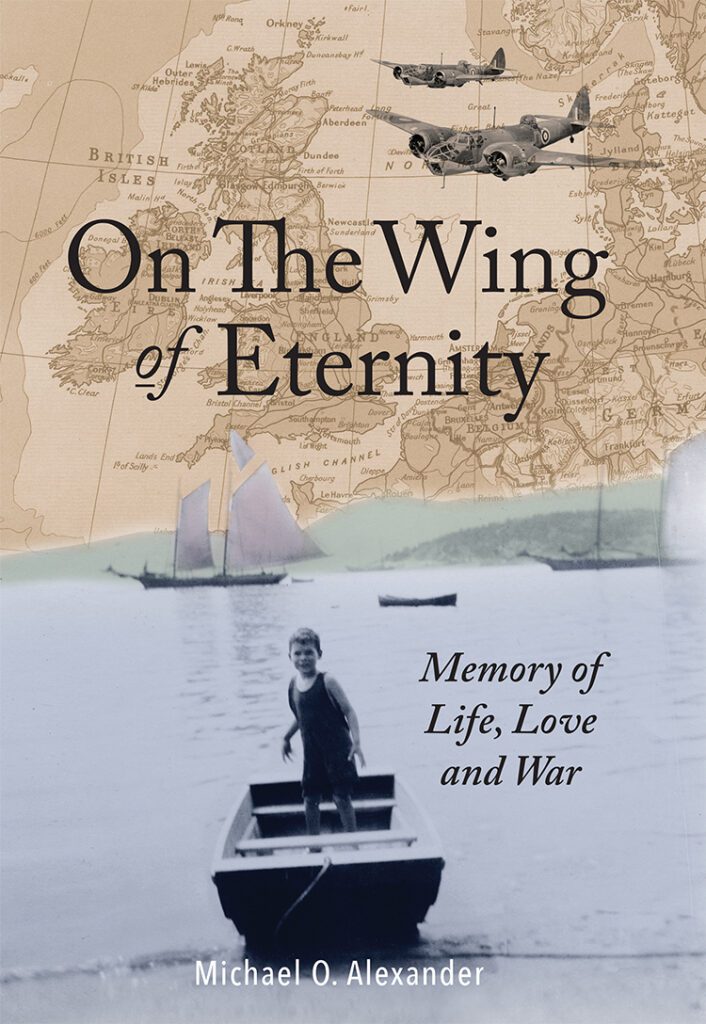
RL: On April 1, Boca Grande resident Michael Alexander will speak about his recently published book, “On the Wings of Eternity: A Memory of Life, Love, and War.”
Q: It’s unusual for you to feature a Boca Grande resident. What makes this book special?
RL: Michael’s father was killed on a bombing run in World War II, and Michael never knew him. So, 80 years after his father’s death on August 28, 1941, Michael set out to learn about the man he never met. Using family letters, diaries and WWII archives, he has created a vivid picture of his father, told in the first person using his father’s voice.
Q: Being an RAF pilot must have been a dangerous job.
RL: It was. As one of the pilots said, “We flew with full knowledge that some of us may not return. We lived with the hope that it wouldn’t be us.” The book reveals the extraordinary heroism of the young pilots who fought the air war in Europe, and Jimmy Alexander’s story is truly inspiring.
Q: Thank you, Roger. We look forward to this season of “Roger’s Picks.”


